
Physical AI Solutions That Bring Intelligence Into the Real World

Artificial Intelligence is rapidly moving beyond software applications and digital workflows. A new generation of AI systems is emerging that can understand, monitor, and interact with the physical world. These systems combine Artificial Intelligence, Computer Vision, sensors, IoT devices, robotics, automation platforms, cameras, vehicles, and operational systems to create intelligent environments capable of observing, reasoning, and taking action.
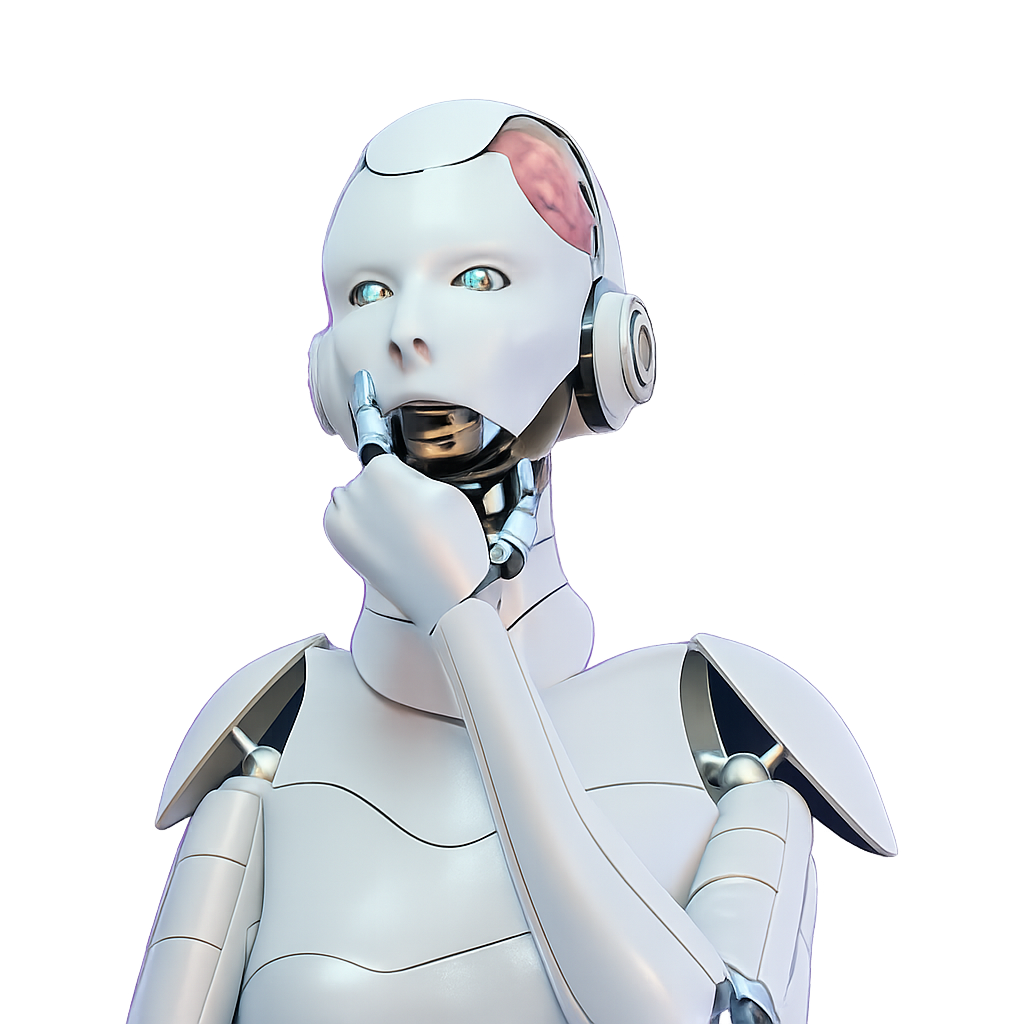
Physical AI Solutions
Innovation & Scale
Secure & Reliable
Overview
What is Physical AI?

Physical AI refers to Artificial Intelligence systems that interact with the physical world through devices, sensors, cameras, machinery, robots, vehicles, and connected infrastructure.

Unlike traditional AI systems that operate only in digital environments, Physical AI can:

Observe Real-World Environments
Monitor Physical Assets
Understand Visual Information
Analyze Sensor Data
Trigger Actions
Automate Operational Decisions
Improve Safety
Coordinate Real-World Activities
Physical AI combines multiple technologies including:

The result is a connected ecosystem capable of turning physical operations into intelligent operations.

Why It Matters
Why Businesses Are Investing in Physical AI

Organizations often struggle with limited visibility into real-world operations. Common challenges include:

Manual Monitoring
Operational Inefficiencies
Equipment Downtime
Safety Risks
Delayed Decision-Making
Inconsistent Processes
Resource Utilization Issues
Ready to Bring AI Into the Physical World?
Core Value
Benefits of Physical AI Solutions

Improve Operational Visibility

Monitor assets, equipment, facilities, and operations in real time.

Reduce Manual Intervention

Automate monitoring, inspections, and operational activities.

Improve Safety

Identify risks and respond proactively.

Increase Efficiency

Optimize workflows and resource utilization.

Enable Predictive Operations

Identify potential issues before they become problems.

Improve Asset Utilization

Monitor equipment performance and operational efficiency.

Reduce Costs

Minimize downtime and operational waste.

Support Intelligent Decision-Making

Provide real-time insights from physical environments.

What We Do
Our Physical AI Solutions

Computer Vision & Visual Intelligence

Object Detection

Image Recognition

Video Analytics

Activity Monitoring

Safety Monitoring

Visual Inspection

Smart Manufacturing Solutions

Quality Inspection

Defect Detection

Production Monitoring

Equipment Intelligence

Predictive Maintenance

Process Optimization

Warehouse & Logistics Intelligence

Inventory Tracking

Warehouse Monitoring

Asset Tracking

Route Intelligence

Shipment Visibility

Operational Analytics

Fleet & Transportation AI

Fleet Monitoring

Vehicle Intelligence

Route Optimization

Driver Analytics

Transportation Automation

Operational Visibility

Smart Hospitality Operations

Guest Service Automation

Smart Concierge Systems

Facility Monitoring

Transport Operations

Resource Management

Operational Intelligence

Healthcare Physical AI

Patient Flow Monitoring

Asset Tracking

Facility Intelligence

Operational Analytics

Healthcare Automation

IoT and Sensor Intelligence

IoT Platform Development

Sensor Analytics

Real-Time Monitoring

Predictive Intelligence

Device Integration

Operational Automation

Industrial AI Solutions

Industrial Monitoring

Predictive Maintenance

Equipment Intelligence

Asset Performance Management

Safety Systems

Process Optimization

Physical AI Use Cases
Manufacturing Quality InspectionWarehouse AutomationFleet ManagementSmart BuildingsAsset TrackingPredictive MaintenanceHospitality OperationsIndustrial Monitoring
Technology Stack
Physical AI and Business Automation

Physical AI becomes even more powerful when combined with AI agents and business automation. Examples include: This creates end-to-end intelligent operations that connect physical events with business actions.

  • Artificial Intelligence
  • Machine Learning
  • Computer Vision
  • IoT Platforms
  • Sensor Networks
  • Edge Computing
  • Cloud Platforms
  • Intelligent Automation
  • Mobile Applications
  • Real-Time Analytics
  • AI Agents
  • Enterprise Integration
  • Smart Maintenance
  • Sensors → AI Analysis → Maintenance Agent → Work Order Creation
  • Fleet Operations
  • Vehicle Data → AI Insights → Operations Agent → Route Optimization
  • Warehouse Intelligence
  • Inventory Sensors → AI Monitoring → Supply Chain Agent → Replenishment Workflow
  • Hospitality Operations
  • Guest Requests → AI Agent → Operational Systems → Service Delivery
Our Process
Our Physical AI Framework

We follow a structured delivery framework to design, build, and optimize enterprise-grade AI solutions safely.

  1. Assess

    Identify operational challenges and opportunities.

  2. Connect

    Integrate sensors, devices, cameras, and systems.

  3. Analyze

    Apply AI and machine learning to operational data.

  4. Automate

    Enable intelligent responses and workflows.

  5. Optimize

    Improve performance and operational outcomes.

  6. Scale

    Expand Physical AI capabilities across operations.

Market Sectors
Industries We Serve

Physical AI creates opportunities across any industry that relies on physical assets, facilities, equipment, vehicles, or operational environments.

  • Manufacturing
  • Logistics & Transportation
  • Hospitality
  • Healthcare
  • Retail
  • Warehousing
  • Education
  • Smart Infrastructure
  • Industrial Operations
Ready to Bring AI Into the Physical World?
WHYCHOOSE WEBUTERS FOR PHYSICAL AI SOLUTIONS
We help organizations connect the physical world with intelligent digital systems.
AI-First Expertise
Computer Vision Capabilities
IoT and Integration Experience
AI Agent Development Expertise
Intelligent Automation Capabilities
Enterprise Architecture Experience
Business Outcome Focus
FAQ'S
A: Physical AI combines Artificial Intelligence with devices, sensors, cameras, machinery, and real-world environments to create intelligent operations.
A: Traditional AI primarily operates in digital systems. Physical AI interacts with real-world environments and physical assets.
A: Manufacturing, logistics, hospitality, healthcare, warehousing, transportation, retail, and industrial operations benefit significantly.
A: No. Physical AI can leverage sensors, cameras, IoT devices, vehicles, equipment, and operational systems without robotics.
A: Yes. Physical AI solutions can integrate with CRM platforms, ERP systems, cloud applications, AI agents, and enterprise workflows.
A: Quality inspection, predictive maintenance, asset tracking, warehouse automation, fleet intelligence, facility monitoring, and operational optimization.

CONTACT US

Ready to make your enterprise future-ready?
Businesses worldwide count on us to accelerate growth, enhance agility, and build resilience. Let’s create value that keeps you ahead.
Phone+91-7965085913
EmailINFO@WEBUTERS.COM