

Success Story
AI asset monitoring for the field
How AI asset monitoring and predictive maintenance reduced unplanned outages across field operations.
Know moreField, sensor, and operations data—one intelligence layer.
Oil and gas operations generate constant signals—vibration and pressure from rotating equipment, video from remote sites, SCADA telemetry from wells and pipelines, and field reports from crews. Too often those signals sit in separate systems, so problems surface as unplanned downtime, safety incidents, or lost production after the cost lands. AI for oil and gas changes the timing. When asset, sensor, and operations data share one intelligence layer, equipment degradation becomes visible before failure, unsafe conditions are flagged as they happen, and production trends can be forecast instead of chased. The result is a safety-first, condition-based way of working: teams plan maintenance around real equipment health, monitor remote assets without a truck roll, and keep output predictable across the field.
We connect field, sensor, SCADA, and operations data into one intelligence layer—so teams predict failures, act on safety signals early, and keep production steady.
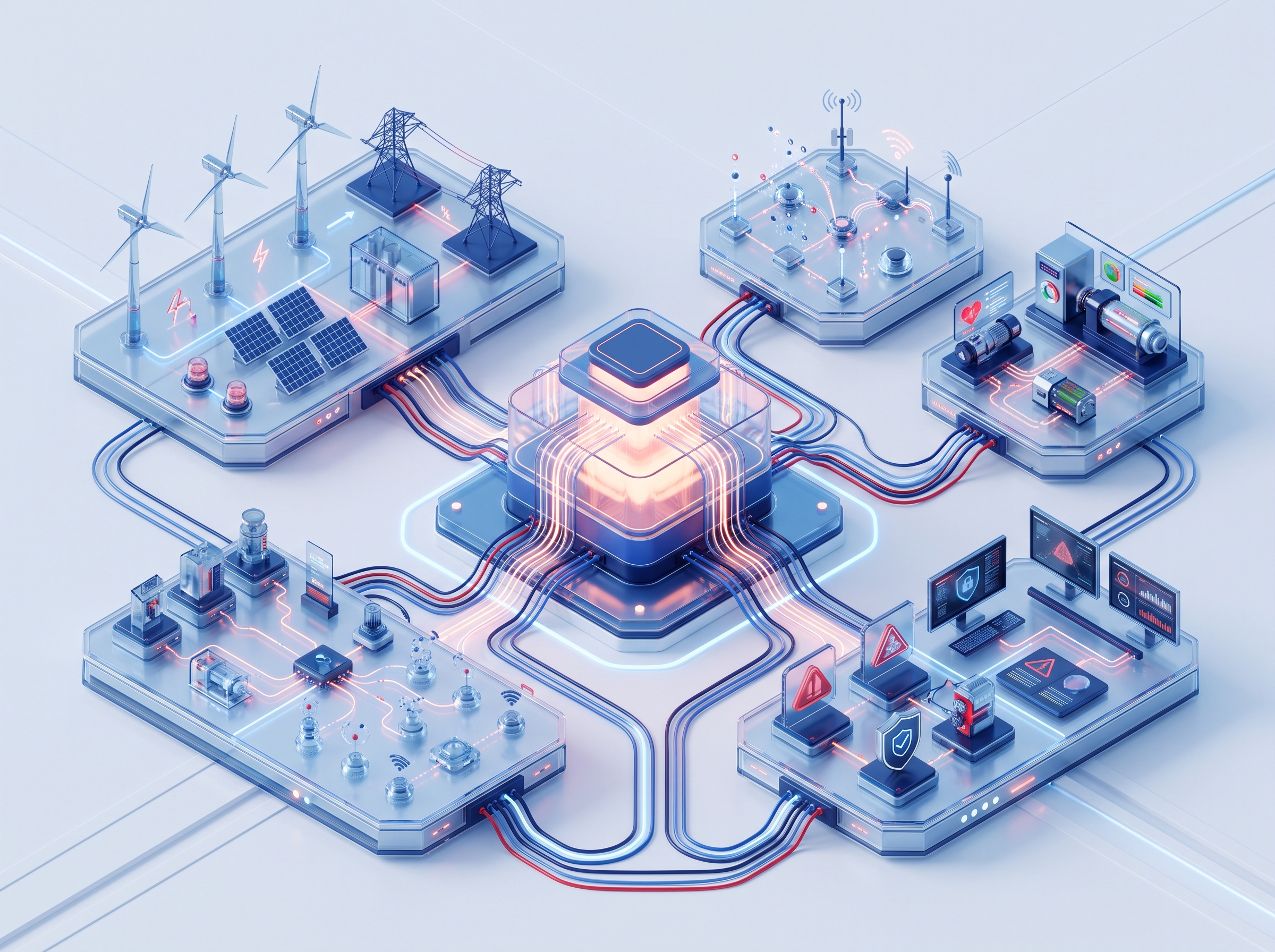
Read vibration, temperature, and pressure trends on rotating equipment to predict failures and schedule maintenance before an unplanned shutdown.
Watch wells, pipelines, and unmanned sites through connected sensors and video, so anomalies are caught without dispatching a crew first.
Use computer vision to spot missing PPE, restricted-zone entries, spills, and unsafe behavior in real time and alert supervisors.
Digitize inspections, permits, and work orders so field data is captured once, structured, and instantly visible to the control room.
Model well and facility output from historical and live data to forecast production and flag deviations from expected performance.
Connect flow, flare, and energy-use data to monitor emissions, track energy intensity, and support ESG and compliance reporting.
How Webuters helps energy operators run safer, more predictable field operations with AI.
View moreAI for oil and gas connects asset, sensor, SCADA, and field data into one intelligence layer—so operators can predict equipment failures, monitor remote sites, detect safety issues with computer vision, digitize field work, and forecast production for safer, more predictable operations.
Predictive maintenance uses machine learning on equipment data—vibration, temperature, pressure, and SCADA telemetry—to detect degradation early. Instead of fixing assets on a fixed schedule or after they break, teams plan condition-based maintenance and reduce unplanned downtime.
Computer vision analyzes site and camera feeds to flag missing PPE, restricted-zone entries, leaks, and unsafe behavior as they happen. These early safety signals let HSE teams intervene before a near-miss becomes an incident.
No. Our approach integrates with your existing SCADA, historians, ERP, and field systems and adds an AI layer on top, rather than requiring a rip-and-replace of your operational technology.
Start with our free AI Readiness Assessment. It scores your organization across eight dimensions and returns a personalized report with your gaps and a practical 90-day roadmap.
Talk to our oil & gas AI team about asset monitoring, predictive maintenance, HSE analytics, and production optimization.
Tell us about your assets, sites, and operations—we'll show you where AI can improve safety, uptime, and production predictability.
Get a clear picture of your AI readiness across strategy, data, technology, and operations—and a practical roadmap to safer, more predictable field operations.
Take the free AI Readiness Assessment